ABOUT MINHWA
MINHWA
한국 전통 민화
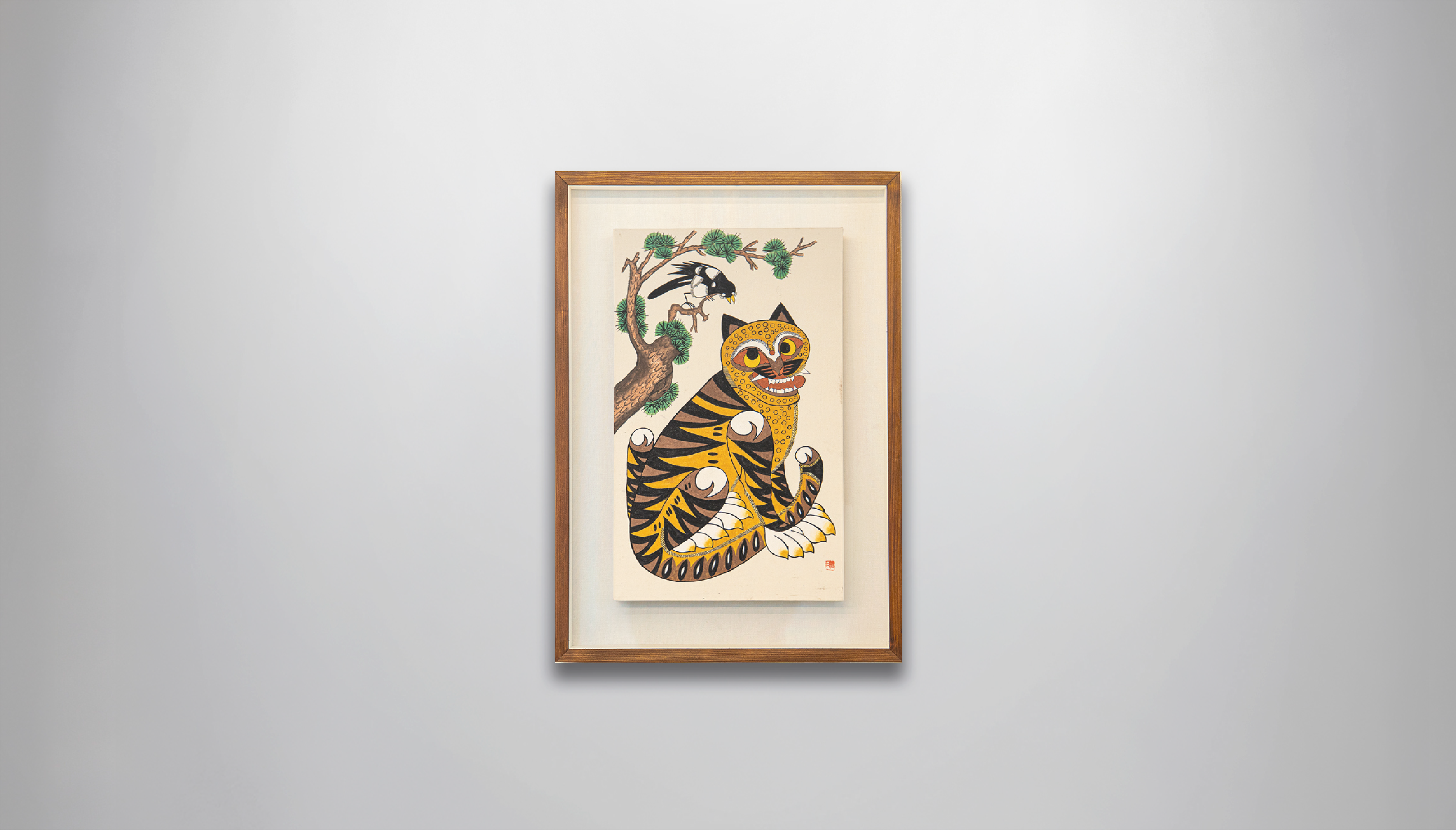
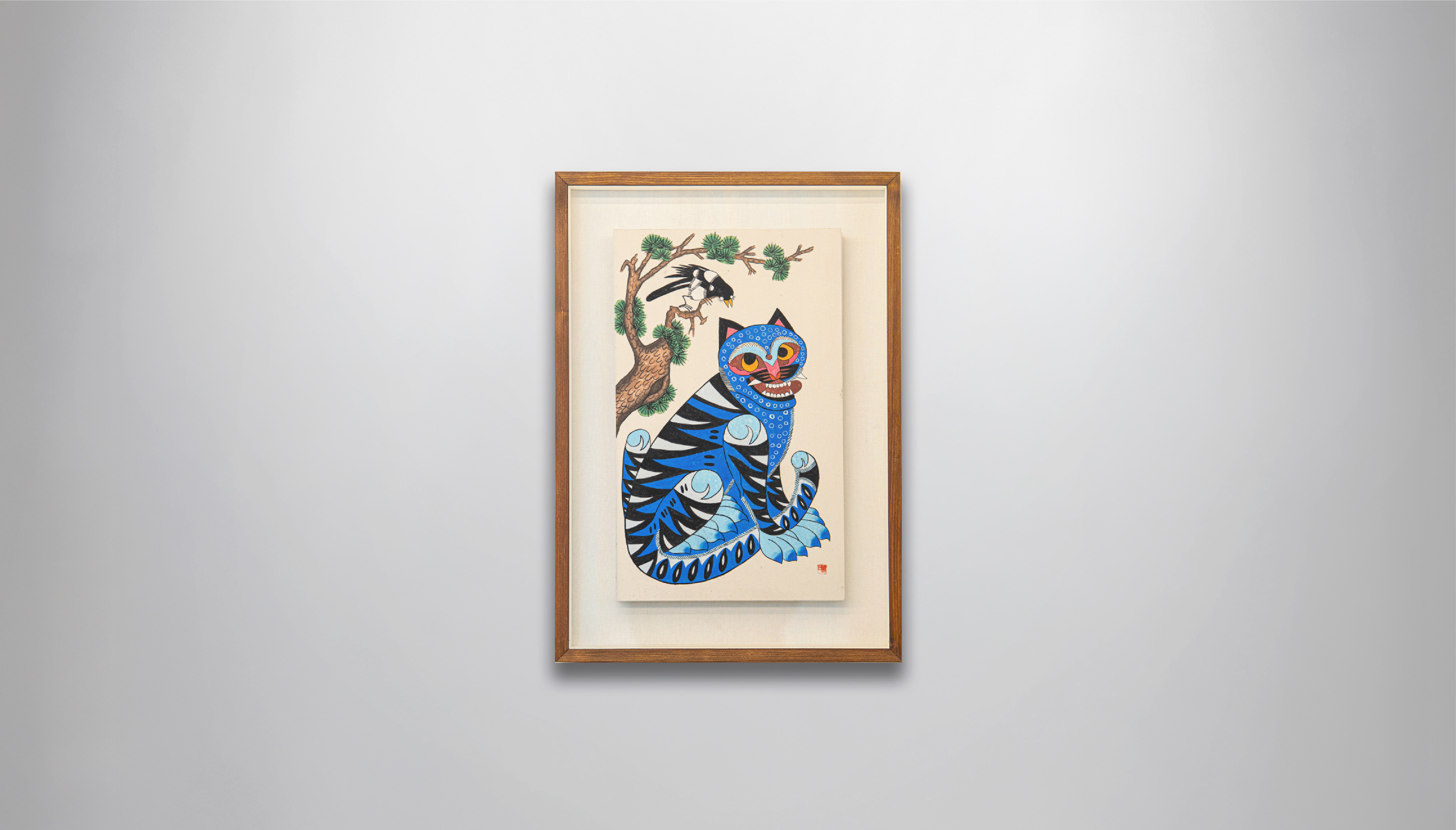
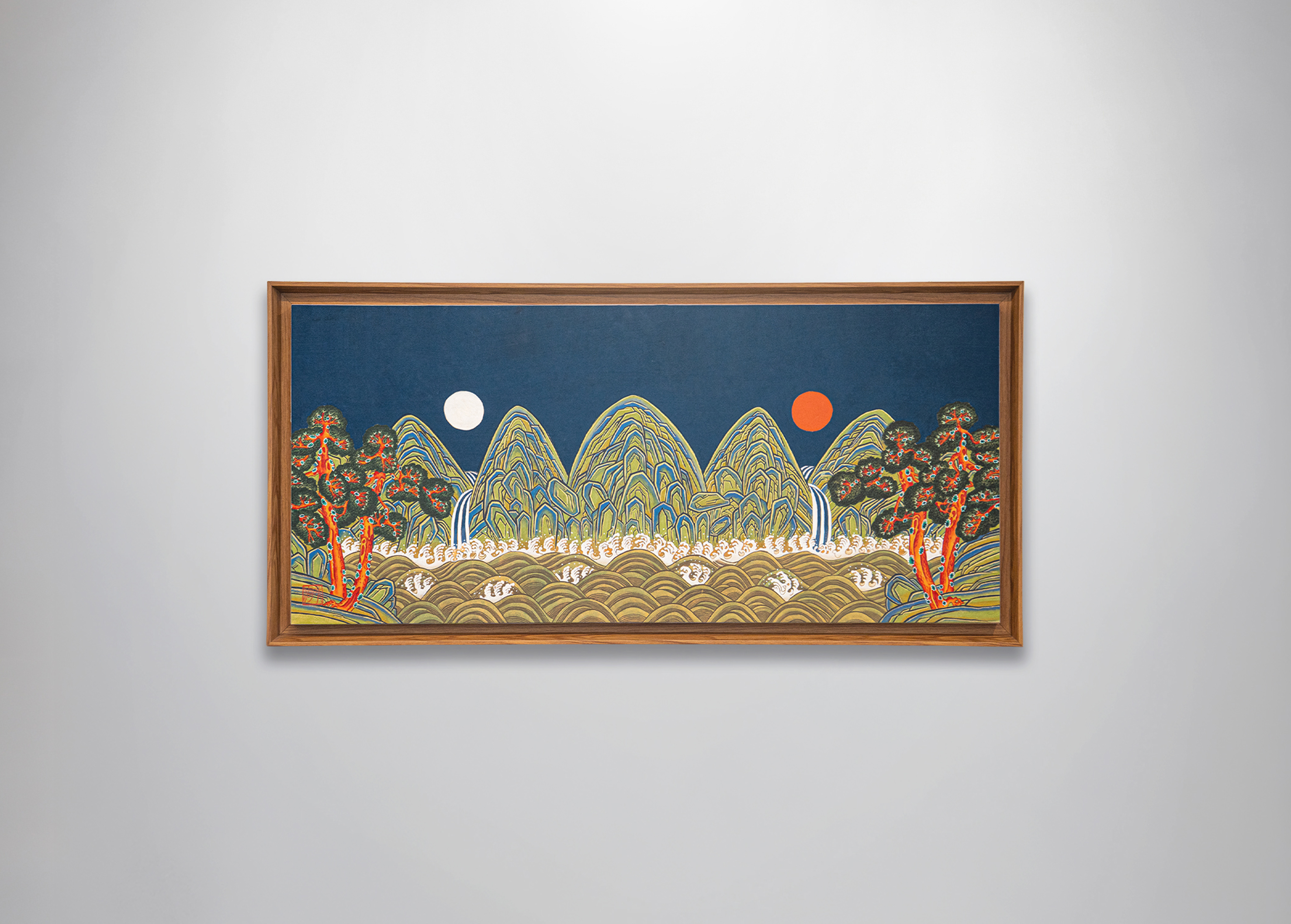
Minhwa is a traditional form of Korean painting and a cultural heritage shaped by centuries of aesthetics and symbolism.
From Irworobongdo, which embodied the authority of the royal court, to Morando, which adorned courtly celebrations,
and Chaekgado, which filled scholars’ studies and ordinary homes alike,
Korean traditional painting carries within it the spirit of its age and the aspirations of those who lived in it.
Every motif within these paintings served as a visual language of hope, and each work was, in itself, a wish and a prayer.
In this sense, Minhwa is more than decorative art; it is an artistic tradition that reawakens the symbolism
and sentiment of Korea’s cultural heritage within contemporary spaces.
“Minhwa is not imitation
— it is variation.”
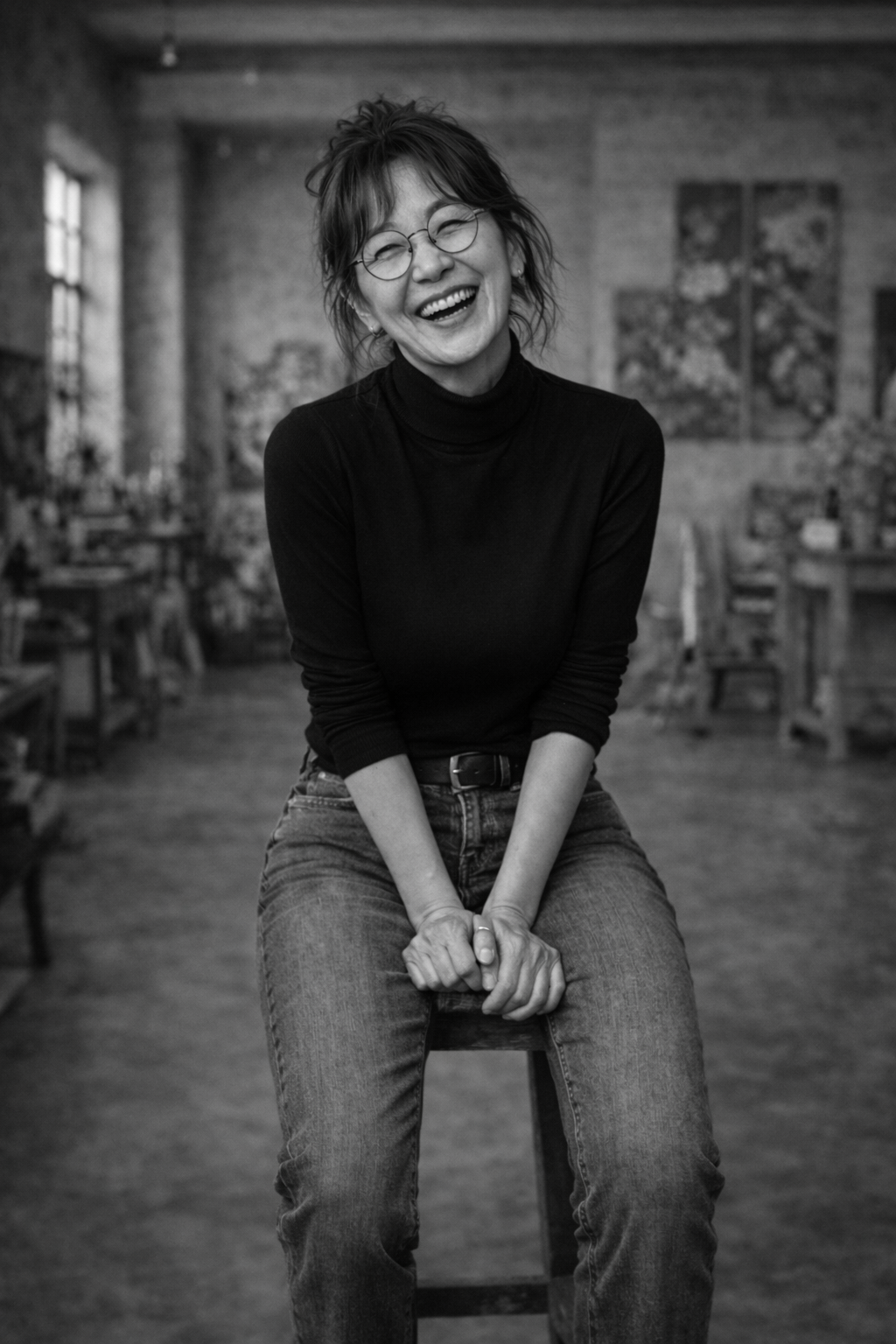
-YE-IN
Minhwa is not imitation — it is variation.
Like a classical score that resonates differently in the hands of each performer,
every Minhwa carries the unique spirit of the artist who paints it.
We inherit the symbols passed down through generations, and upon them,
we inscribe once more the blessings of gilsang — auspicious fortune.
Fortune, Health, Longevity, Prosperity, Success, Flourishing of Descendants,
Harmony within the Home, Warding off Misfortune,
and Fulfillment of Wishes—every hope a life can hold, gathered into a single canvas.
This is why I hesitate to call traditional Minhwa merely “fine art.”
Long before it is something to be admired,
it is a wish, a prayer, a talisman.
-YE-IN